
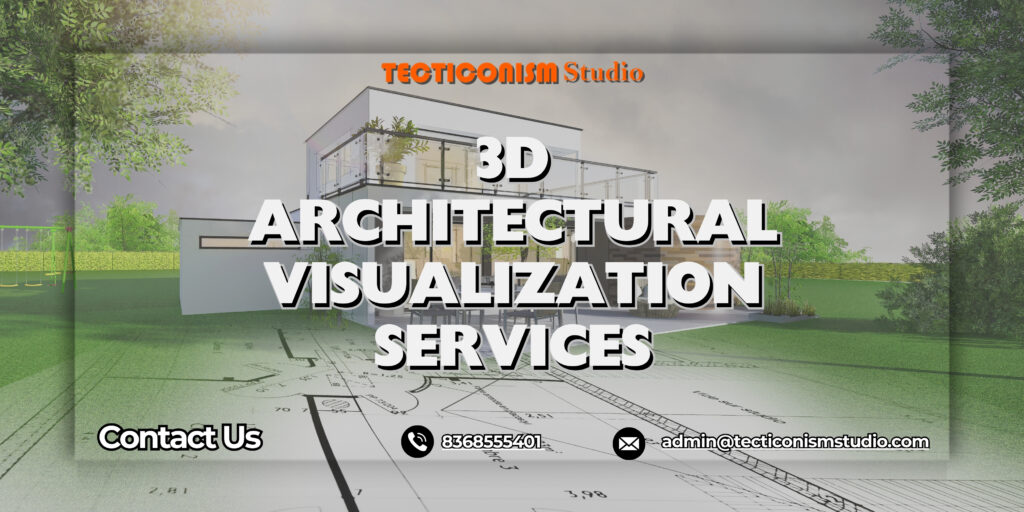
3D Architectural Visualization Services: Transforming Ideas into Stunning Realities
In today’s fast-paced real estate and architectural industry, visuals speak louder than blueprints. Whether you’re an architect, developer, interior designer, or real estate marketer, 3D architectural visualization services have become an essential tool for bringing concepts to life. These services allow you to showcase projects before they’re built—saving time, reducing errors, and creating powerful emotional connections with clients.
In this blog, we’ll explore what 3D architectural visualization is, its key benefits, types, applications, and why it’s a game-changer for modern design and marketing.
What Are 3D Architectural Visualization Services?
3D architectural visualization services involve creating realistic three-dimensional images, animations, and virtual walkthroughs of architectural designs. Using advanced software, artists and designers convert 2D drawings, CAD plans, and sketches into high-quality visual representations of buildings, interiors, and landscapes.
These visualizations simulate real-world lighting, textures, materials, and environments—allowing clients to see exactly how a project will look once completed.
Why 3D Architectural Visualization Services Are So Important
Traditional floor plans and Technical Drawings can be difficult for non-professionals to understand. 3D visualization bridges this gap with clarity, realism, and impact. Here’s why it matters:
1. Clear Communication of Design Ideas
Clients instantly understand layouts, space, lighting, and materials without needing architectural knowledge.
2. Better Design Decisions Early
Design errors can be detected before construction begins, saving significant costs and time.
3. Increased Client Confidence
Photorealistic visuals help clients feel confident about approvals and investments.
4. Stronger Marketing & Sales
Real estate developers use 3D renders to attract buyers even before projects break ground.
Types of 3D Architectural Visualization Services
Different projects require different visualization styles. Here are the most popular types:
1. Exterior 3D Rendering
Shows the outer appearance of buildings, including landscaping, lighting, and surroundings.
2. Interior 3D Rendering
Visualizes indoor spaces such as living rooms, bedrooms, kitchens, offices, and commercial interiors.
3. 3D Floor Plans
Transforms flat 2D layouts into easy-to-understand 3D presentations.
4. Architectural Walkthroughs
Animated videos that allow viewers to “walk through” a property virtually.
5. Virtual Reality (VR) Tours
Immersive experiences where clients explore spaces using VR headsets.
Key Benefits of 3D Architectural Visualization Services
✅ Realistic Representation
High-detail textures, reflections, and lighting make the design look real.
✅ Faster Project Approvals
Clear visuals reduce misunderstandings and speed up decision-making.
✅ Cost-Effective Planning
Identifying design flaws early minimizes expensive changes during construction.
✅ Competitive Advantage
Professionally rendered visuals help firms stand out in crowded markets.
✅ Enhanced Marketing Reach
Used in websites, social media, brochures, and property listings for maximum engagement.
Industries That Use 3D Architectural Visualization
3D architectural visualization services are widely used across multiple industries:
Real Estate & Property Development
Architecture & Urban Planning
Interior Design
Hospitality & Resorts
Commercial Construction
Retail & Showrooms
Landscape Design
Each industry uses visualization to plan smarter, sell faster, and communicate better.
The Process Behind 3D Architectural Visualization
Here’s a simplified look at how the visualization process works:
Project Brief & Drawings – Client shares floor plans, elevations, or reference images.
3D Modeling – The structure is built in a 3D environment.
Texturing & Materials – Surfaces, colors, and finishes are applied.
Lighting Setup – Natural and artificial lighting is added for realism.
Rendering – High-resolution images or animations are generated.
Revisions & Final Delivery – Adjustments are made based on feedback.
How 3D Visualization Helps in Real Estate Marketing
In real estate, first impressions decide everything. With 3D architectural visualization services, developers can:
Pre-sell properties before construction
Create emotional buyer connections
Improve online property listings
Increase engagement on Social Media
Shorten sales cycles
A realistic 3D render can often replace expensive sample apartments and physical models.
Choosing the Right 3D Architectural Visualization Company
When selecting a service provider, consider the following factors:
✅ Portfolio quality and realism
✅ Experience in your project type
✅ Turnaround time
✅ Customization and revision policies
✅ Communication and support
✅ Pricing transparency
A skilled visualization partner doesn’t just create images—they understand design intent, storytelling, and brand positioning.
Future Trends in 3D Architectural Visualization
The industry continues to evolve rapidly. Some emerging trends include:
AI-assisted Rendering
Real-Time Visualization
Interactive VR Experiences
360-Degree Virtual Tours
Metaverse Architecture
Sustainable Design Visualization
As technology advances, visualization will become even more immersive, interactive, and essential.
Final Thoughts
3D architectural visualization services are no longer a luxury—they are a necessity in Modern Architecture, real estate, and design. From concept to client presentation, marketing to final execution, visualization plays a critical role at every stage.
If you want to:
Impress clients
Sell properties faster
Eliminate costly mistakes
And bring ideas to life with clarity
Then investing in professional 3D architectural visualization is one of the smartest decisions you can make.
Start Your Project
You might also like
- Understanding Tile Shop Drawings: A Comprehensive Overview
- Architecture and AI
- Trends in drafting industry to look out
- How to Create Detailed and Precise Millwork Shop Drawings
- Millwork Shop Drawings: Purpose and Benefits
- The Role of Tile Shop Drawings in Streamlining the Installation Process
- Stone Shop Drawings: Understanding the Importance and Scope
- Exploring the Art of Architectural Drafting
- Dynamic Blocks in AutoCAD
- 3D Modeling : From Concept to Creation
- Exploring AEC Drafting Standards
- Millwork Shop Drawing Standards: A Comprehensive Guide
- 10 futuristic BIM trends in the AEC Industry
- Common Mistakes to Avoid in Tile Shop Drawings
- Best CAD Drafting Services in USA
- Best 3D Real Estate Virtual Tour Service in USA